Japanese Bizen-Yaki Shop
The kiln has not gone out in a thousand years
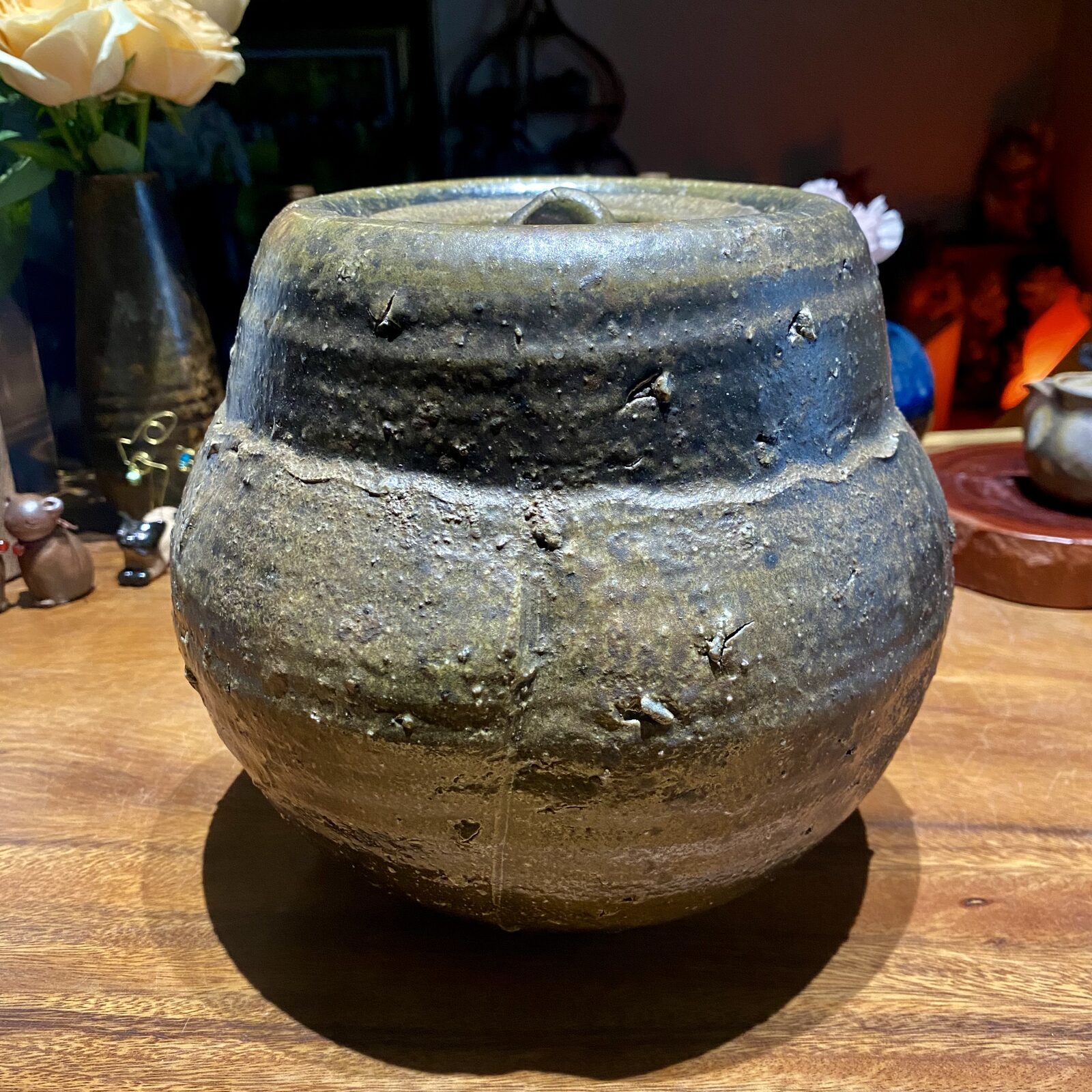
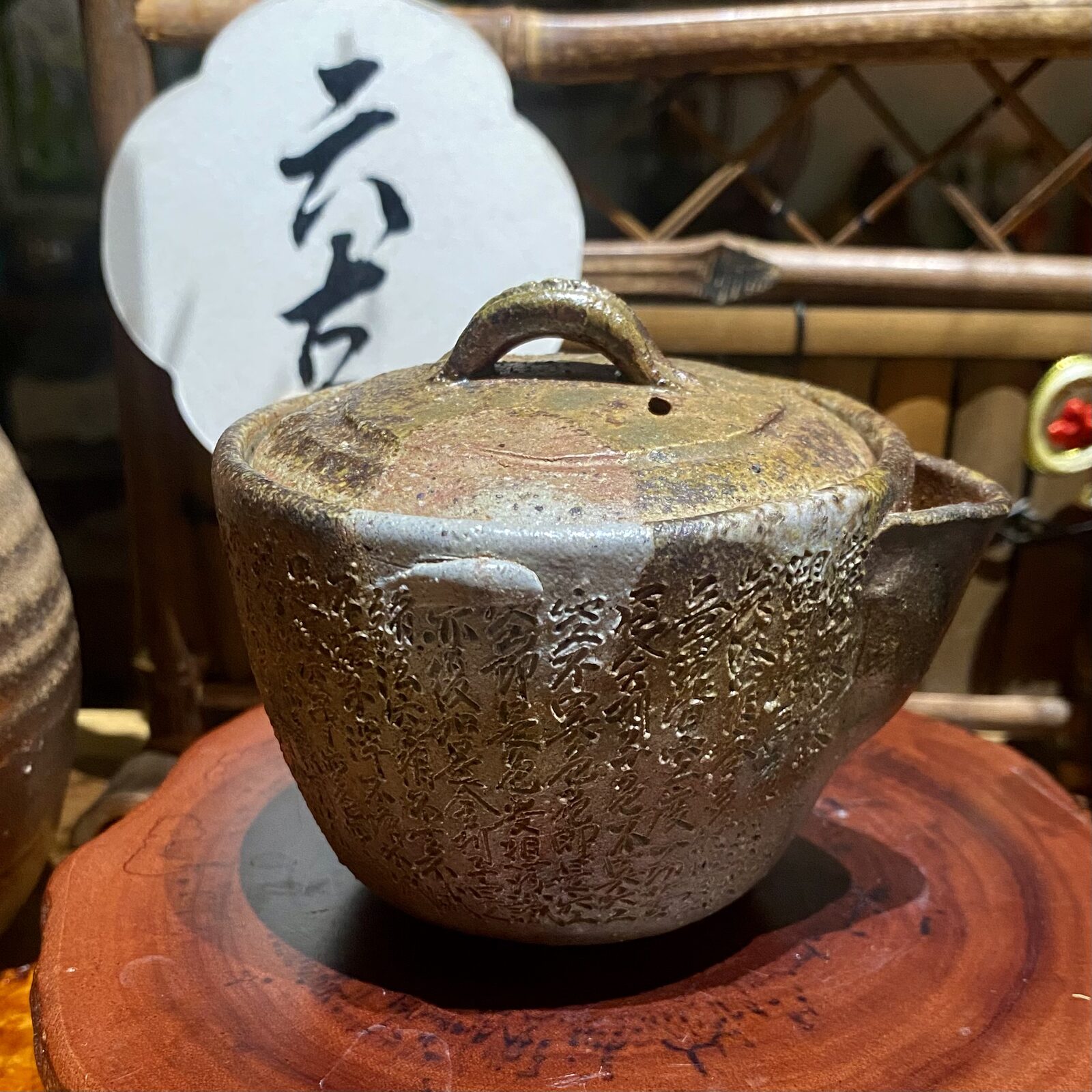
Bizen-Yaki is the oldest of Japan's Six Ancient Kilns, made in and around Bizen City, Okayama, since the Heian period. It uses one clay, no glaze and one very long fire. What comes out is never twice the same.
Hiyose clay
It begins two metres under a rice paddy
The clay is dug from beneath the rice fields of the Inbe district — heavy, iron-rich, plastic, and full of fine organic matter. It is then left to weather in the open for years before a potter is allowed near it. Age is what gives Bizen its strength: the body can survive two weeks in a wood kiln without slumping or cracking.
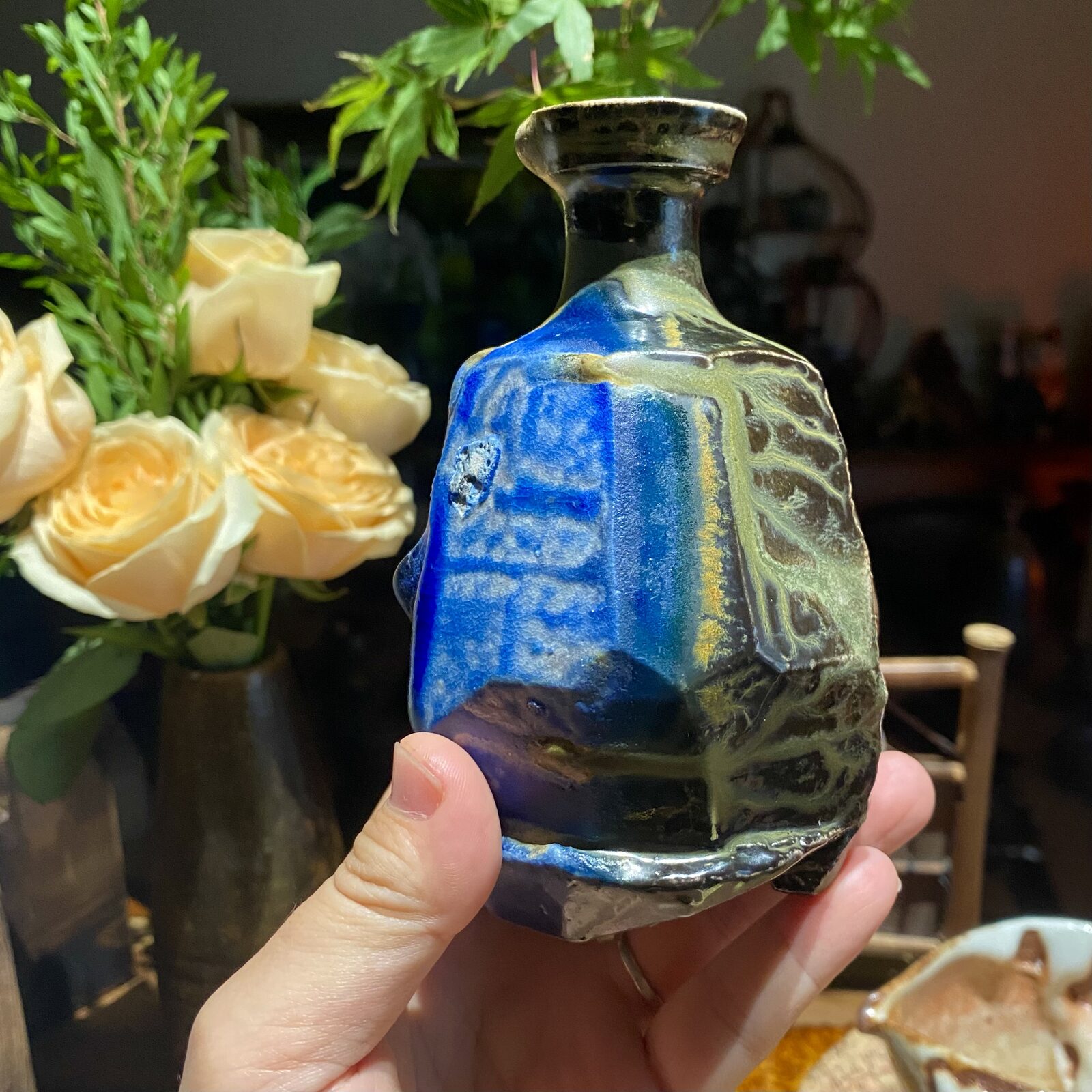
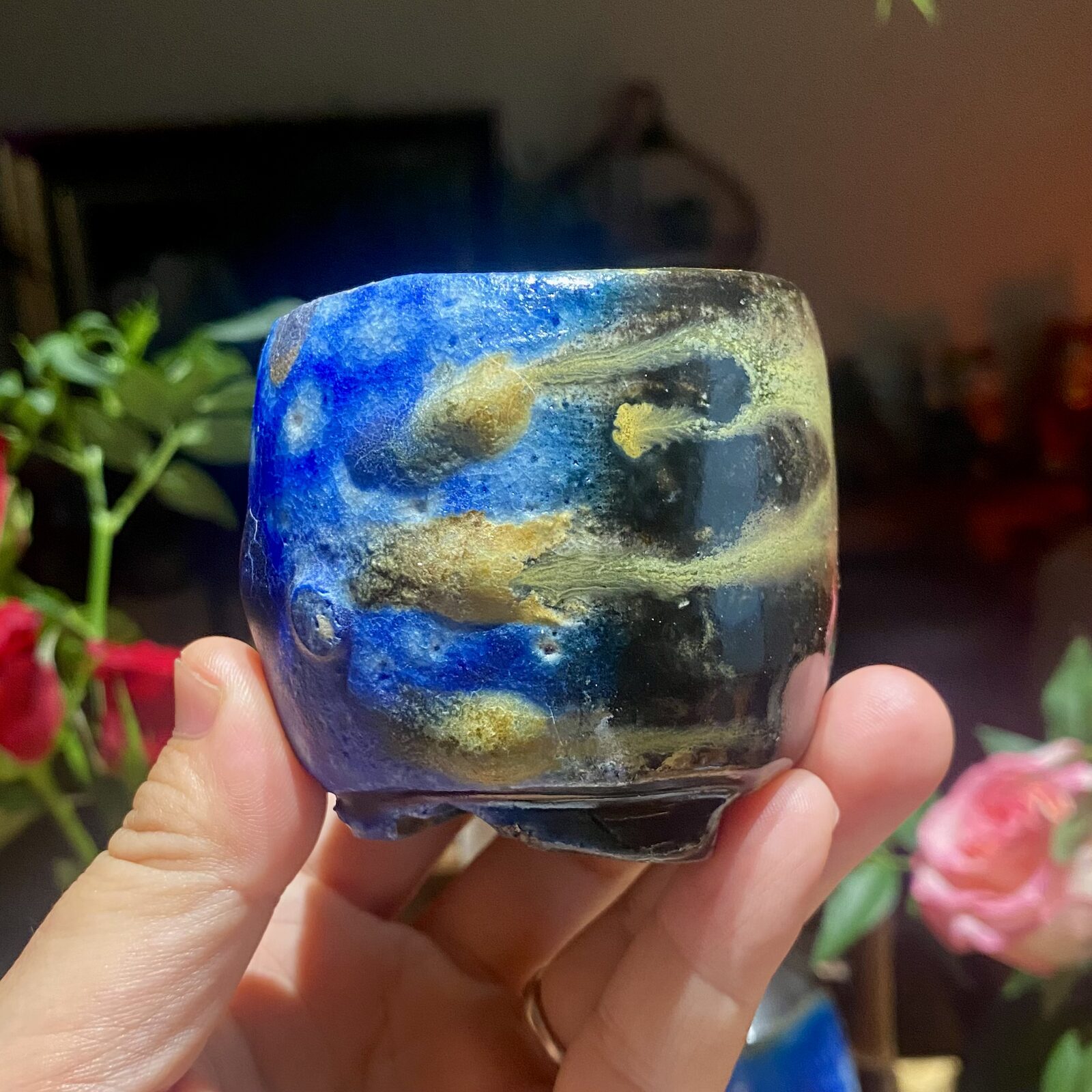
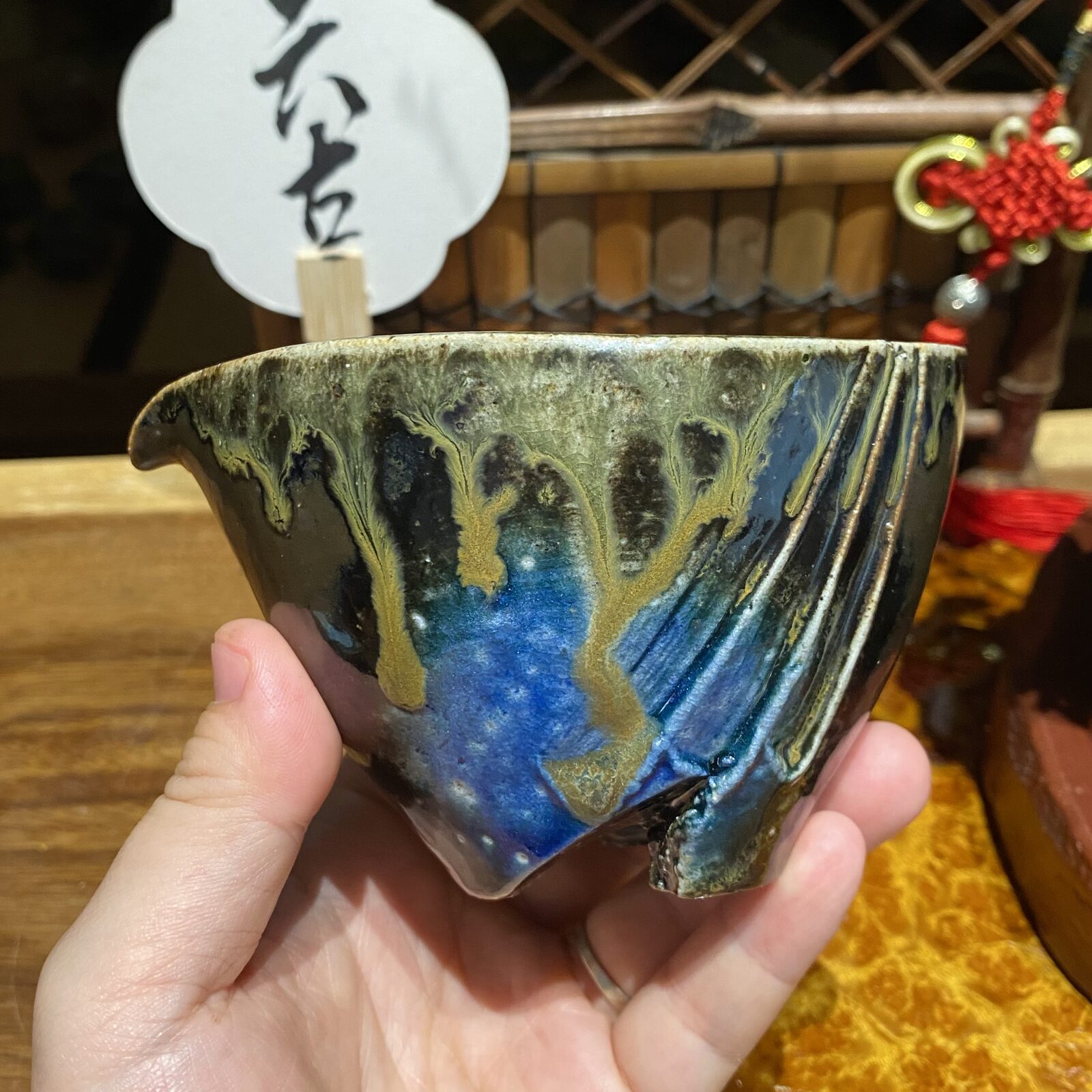
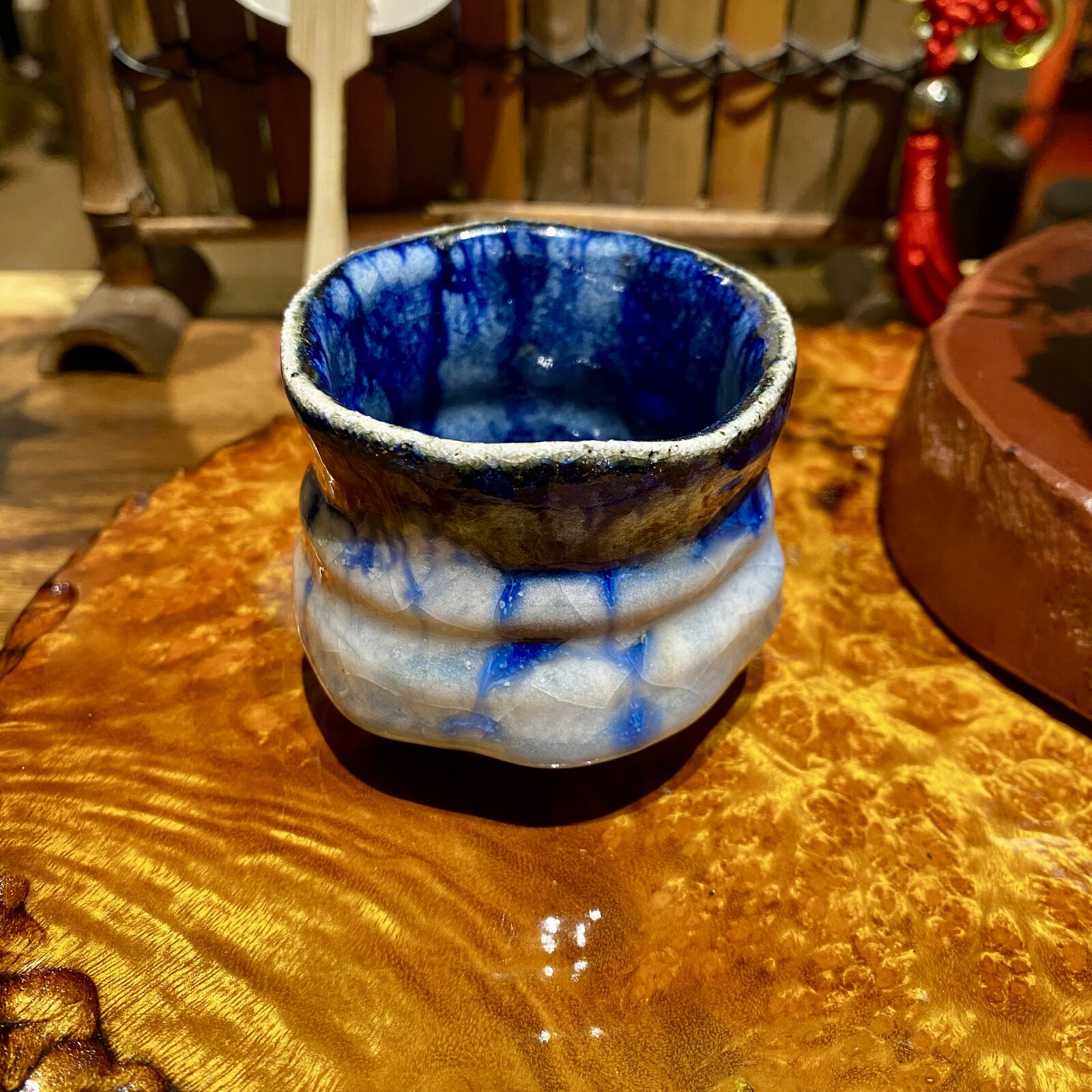
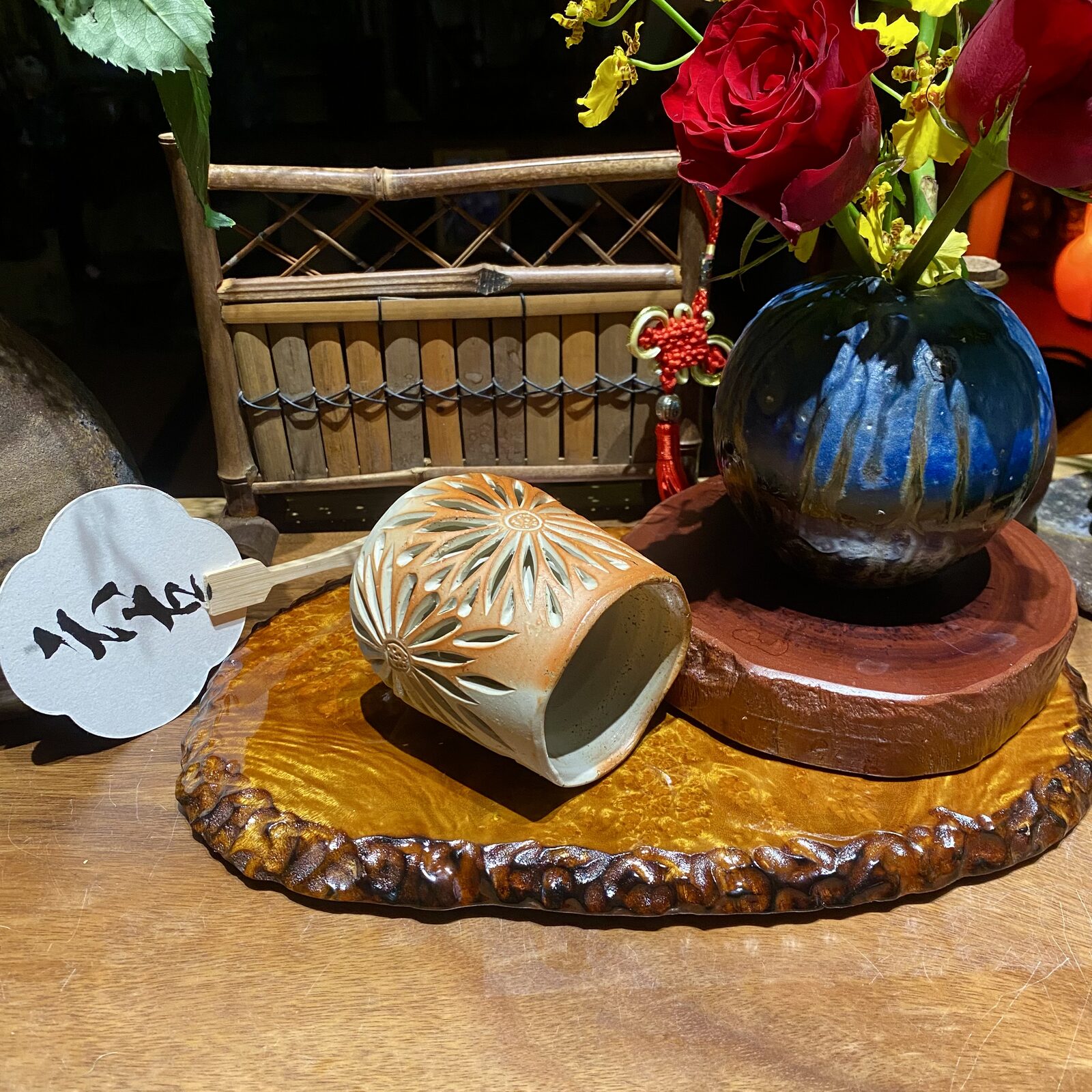
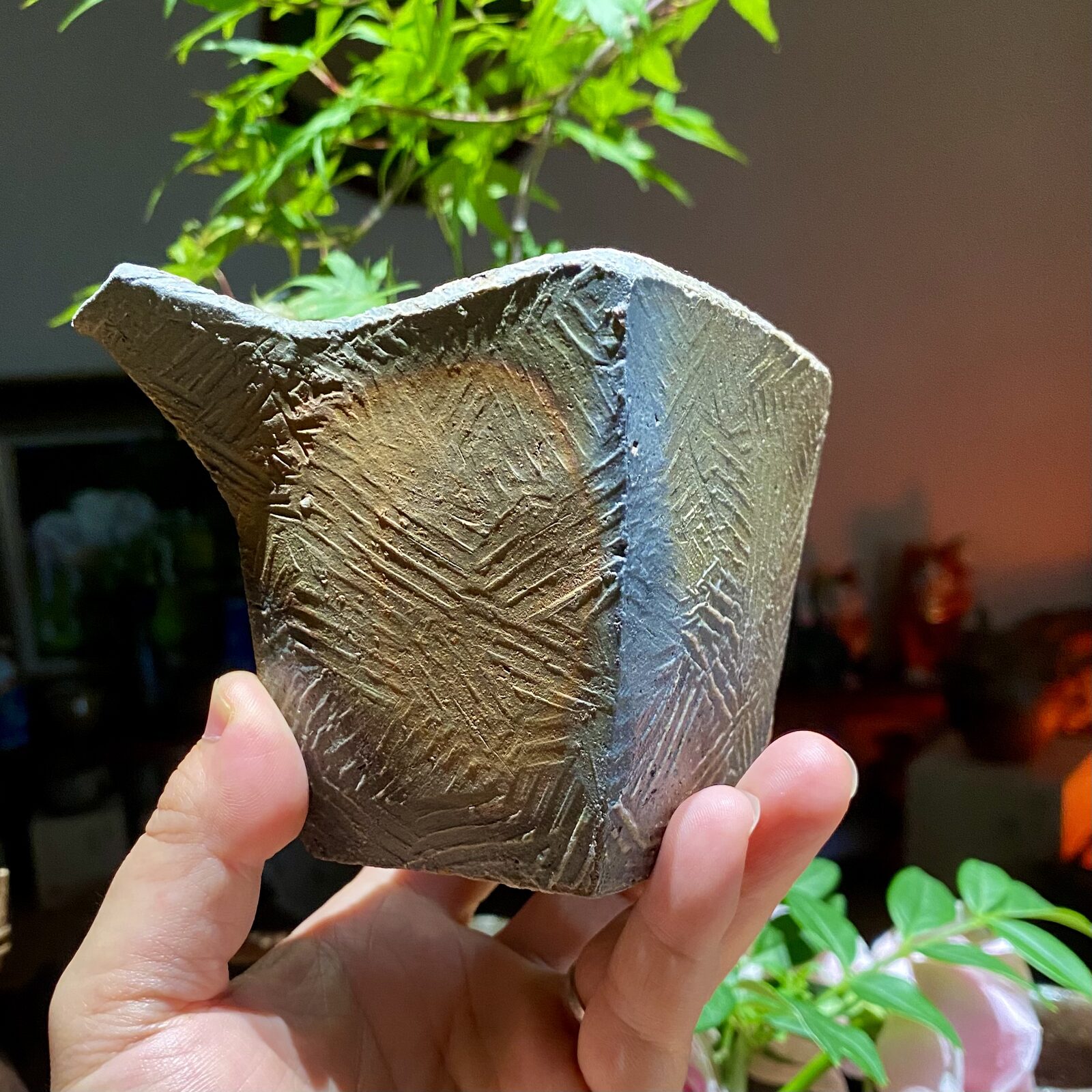
Because the clay is local and the fire is wood, no two firings behave alike. Where a piece sits in the kiln, how the flame curls past it, what falls on its shoulder — these decide colour. A maker can hope for Ao-Bizen blue; nobody can order it.
Why Bizen
Four things a glazed pot cannot do
Fourteen days of red pine
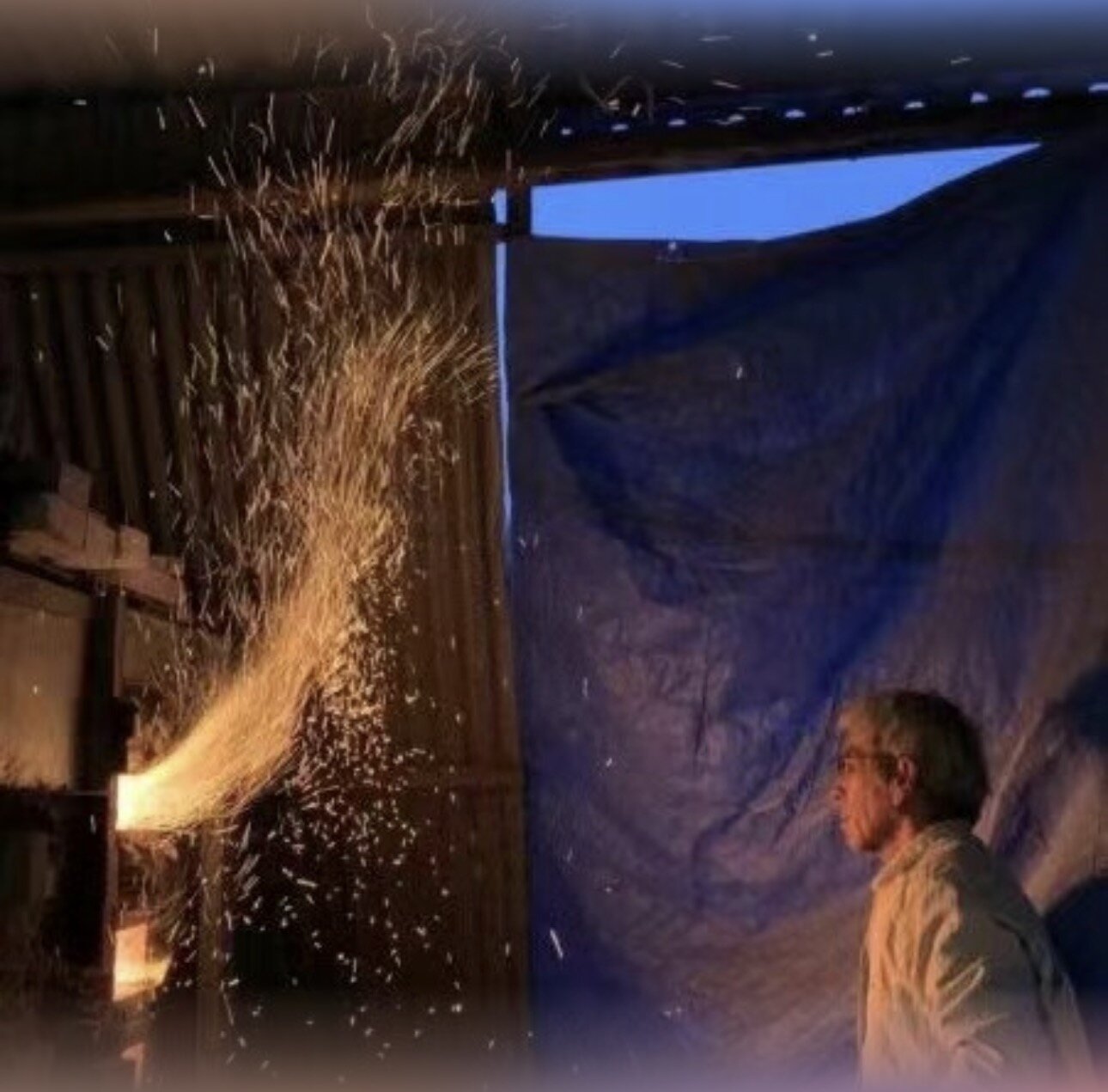
The noborigama is lit and never allowed to cool for two full weeks. Temperatures climb to 1,300 °C. Firewood is fed by hand, day and night, in shifts.
No glaze, ever
Every mark on the surface — goma sesame ash, hidasuki scarlet straw lines, sangiri grey, botamochi discs — is written by flame, ash and placement, not by a brush or a dip.
A wall that breathes
Long firing leaves a micro-porous body. Trace air movement through the wall rounds tannin in tea, softens alcohol burn in sake, and keeps cut flowers fresh far longer.
Nothing between clay and lip
Unglazed means no lead, no cadmium, no coating to chip. Bizen is fully vitrified stoneware — food-safe by composition rather than by certificate.
“Do not choose the pot you like. Choose the pot that will still be interesting in thirty years.”
Bizen proverb, Inbe district
The collection
Six pieces to begin with
Each listing shows the actual piece in stock. When it sells, it is gone — we do not restock a duplicate, because a duplicate does not exist.